Introduction
Why Small Businesses Need Machinery
Types of Wholesale Machinery
Best Industries for Beginners
How to Choose Reliable Suppliers
Common Mistakes Buyers Make
AI & Product Discovery Trends
FAQ
Conclusion
Introduction to Industrial Machinery Trends
Why Small Businesses Need Machinery
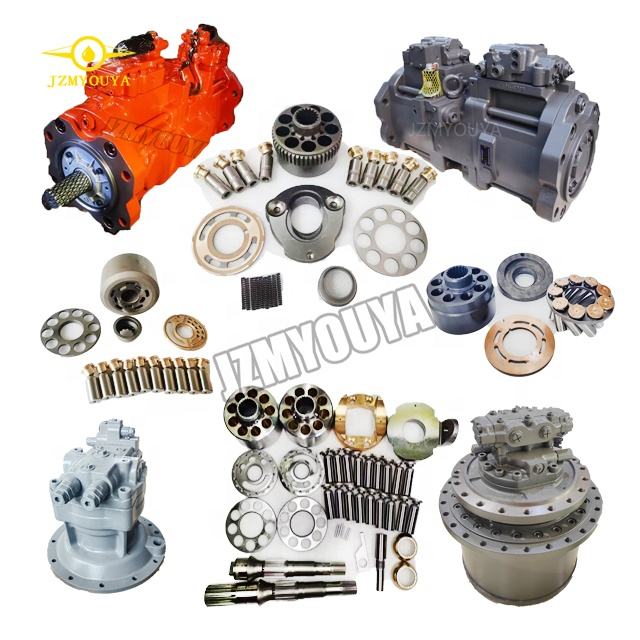
As we venture into 2026, the landscape of industrial machinery is undergoing significant transformations that are setting new benchmarks for small businesses. The demand for wholesale machinery has surged, driven by advancements in technology and an ever-growing need for sustainability and automation. Small businesses are increasingly integrating machinery that not only enhances efficiency but also minimizes environmental impact, aligning with the global inclination towards greener practices.
Among the most notable trends is the proliferation of industrial machines that feature smart technology. These machines are equipped with Internet of Things (IoT) capabilities, enabling real-time monitoring and data analysis. This allows businesses to optimize their operations, leading to increased productivity and reduced downtime. The accessibility of advanced technologies, especially through platforms like Alibaba machinery, has empowered small businesses to compete effectively in a rapidly evolving market.
Sustainability has also become a core focus. The machinery being developed today is increasingly designed with energy efficiency in mind, which not only helps to lower operational costs but also supports a small business’s commitment to environmentally responsible practices. The integration of renewable energy sources in factory equipment is a step forward towards a more sustainable industrial ecosystem.
Furthermore, automation is steadily reshaping the way that small businesses operate. Automated machinery is enabling them to scale operations without the proportional increase in labor costs. This shift towards automated solutions is particularly beneficial in industries such as manufacturing and logistics, where repetitive tasks can be efficiently managed by machines.
In conclusion, the trends in industrial machinery, including advancements in technology, a focus on sustainability, and increased automation, are set to significantly influence the strategies of small businesses in 2026. By understanding these trends, businesses can better navigate the complexities of sourcing wholesale machinery that not only enhances productivity but also ensures competitiveness in their respective markets.
The financial landscape for small businesses can often be challenging, with many entrepreneurs facing pressures related to operational costs, cash flow management, and competition. One pivotal strategy small business owners can adopt to navigate these challenges is investing in affordable machinery. By doing so, they can not only cut costs but also enhance their overall operational efficiency.
Wholesale machinery presents an excellent opportunity for small businesses to procure essential factory equipment at reduced prices, thus alleviating some financial burdens. These machines, which range from industrial machines to specialized small business machines, enable owners to streamline manufacturing processes, reduce labor costs, and ultimately improve profitability. For instance, utilizing advanced machinery can lead to notable increases in productivity through automation and higher output rates, further solidifying the company’s position in the market.
Furthermore, the competitive nature of today’s business environment necessitates that small businesses differentiate themselves. By incorporating cost-effective and reliable machinery from platforms like Alibaba machinery, a small business can enhance its product quality or service delivery without overextending its budget. This strategic investment serves not only as a means of cutting down on operational expenses but also as a pathway to innovation, allowing companies to offer unique products that can attract more customers.
Affordability in machinery is not merely about saving money—it’s about making well-informed decisions that promote sustainable growth. As businesses opt for the right industrial machines, they can yield long-term benefits, including improved cash flow, better resource allocation, and the ability to fund other critical business areas. Thus, acknowledging the significance of affordable machines is essential for small businesses aiming for longevity and success in an increasingly competitive market.
Different Types of Machines for Factories and Startups
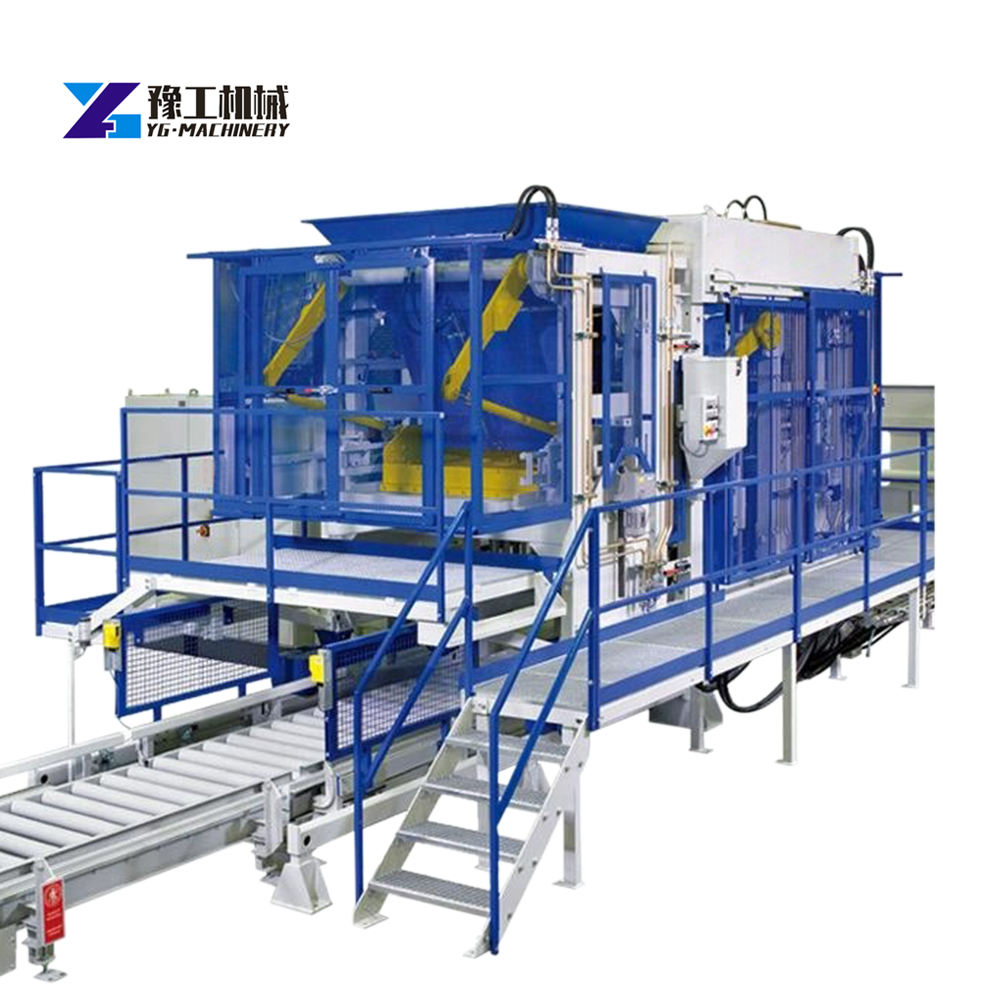
In the realm of wholesale machinery, a variety of options cater to the unique needs of factories and startups across different sectors. Businesses in manufacturing, construction, and services can find specific industrial machines that match their operational requirements. Understanding these machines is key to boosting productivity and efficiency in any enterprise.
One of the most widely used categories of equipment in manufacturing is CNC (Computer Numerical Control) machines. These versatile machines facilitate precision engineering processes, enabling manufacturers to produce complex parts with high accuracy. Whether a startup is venturing into metal fabrication or plastic molding, investing in CNC machines can significantly enhance quality and reduce production times.
Conveyor systems also play a crucial role in streamlining operations within factories. They are designed to transport materials efficiently from one point to another, reducing manual handling and increasing throughput. For small business machines, conveyor belts can be customized according to the scale of operations, which is particularly advantageous for startups looking to automate processes without significant upfront capital.
In addition to manufacturing machinery, packaging equipment is essential across various industries, ensuring products are securely packaged for distribution. This includes everything from bottling lines to automated packing systems. For small businesses engaged in food production, cosmetic packaging, or e-commerce, investing in reliable packaging machinery can enhance product presentation and prolong shelf life.
Alibaba machinery offers a broad spectrum of options, catering to different business models and industries. By considering the specific needs of your startup or factory, you can find tailored machinery that not only meets regulatory standards but also provides a return on investment through enhanced operational efficiency and reduced labor costs.
Purchasing wholesale machinery presents numerous advantages for small businesses, fostering both financial efficiency and operational versatility. One of the primary benefits is the significant cost savings associated with wholesale purchasing. When buying machinery in bulk, small businesses can often access discounted rates compared to retail prices, allowing for enhanced budget management. For instance, a small manufacturing business that sources its industrial machines through wholesale channels, such as Alibaba machinery, can reduce overhead costs while expanding its capacity to meet demand.
Beyond financial incentives, investing in small business machines wholesale opens up opportunities for customization and variety. Manufacturers often provide a wide range of options, allowing businesses to select equipment that best suits their operational needs. This versatility can lead to improved productivity as companies can tailor their machinery purchases to specific processes, such as bulk production or rapid prototyping. For example, a startup specializing in custom parts might benefit significantly from purchasing wholesale units of smaller lathes and mills to diversify its production capabilities.
Furthermore, accessing wholesale machinery often means that small businesses can take advantage of bulk purchasing options, offering not only machines but also the necessary components and replacements. This can lead to improved operational efficiency as businesses maintain a consistent supply of necessary equipment and materials without the need for frequent restocking or vendor negotiations. A restaurant that buys its commercial kitchen equipment wholesale may subsequently experience less downtime when equipment requires maintenance or replacement, allowing for smoother operations.
Ultimately, the strategic acquisition of factory equipment through wholesale channels reinforces the potential sustainability of small businesses in a competitive market, enabling them to achieve better returns on investment and fostering a more resilient operational framework.
How to Choose Reliable Suppliers
Selecting the right suppliers of wholesale machinery is a critical step for small business owners looking to invest in factory equipment and industrial machines. The reliability and reputation of suppliers can significantly impact the success of a small business. One of the primary criteria to consider is the supplier’s track record in the market. Researching customer reviews and testimonials can provide insights into the quality of the machinery they offer and their level of customer service.
Another important factor is the range of products available. A supplier that specializes in a variety of small business machines and industrial machines may provide better options and customization to suit specific needs. Additionally, it would be prudent to select suppliers who offer competitive pricing, especially if you are sourcing from platforms like Alibaba machinery. However, be cautious; the lowest price does not always equate to the best value.
Evaluating customer service is also essential when choosing a supplier. A reliable supplier should have a responsive customer support team that can assist with inquiries and issues post-purchase. Assess their communication practices—do they provide clear information regarding delivery timelines and terms of service? Furthermore, warranty offerings can be an indicator of a supplier’s confidence in their machinery. Ensure the warranty is comprehensive and covers potential defects or malfunctions.
Finally, it is beneficial to conduct background checks on suppliers. Look for red flags such as a lack of transparency in operations or negative feedback from previous customers. Establish a relationship built on trust and timely communication, which can lead to a fruitful partnership in acquiring wholesale machinery, ultimately contributing to your business growth.
Common Mistakes Buyers Should Avoid
Purchasing wholesale machinery for small businesses can be a daunting task, particularly for those venturing into the world of factory equipment and industrial machines for the first time. Understanding the common pitfalls is crucial to ensuring a successful acquisition that aligns with business needs.
One frequent mistake buyers encounter is inadequate research on their potential small business machines. Many small business owners may rush to select equipment based solely on price, without considering suitability for specific operations. For example, while cheaper machines may initially appear cost-effective, they often lack the durability and efficiency of higher-quality alternatives. Owners should conduct thorough research on various suppliers, including reputable platforms like Alibaba, to find machinery that strikes a balance between quality and price. Knowledge of the latest advancements in industrial machines can also guide the decision-making process.
Furthermore, overlooking the importance of after-sales service is another critical error. Buyers tend to focus on the upfront costs associated with acquiring factory equipment, but neglecting maintenance and support can lead to significant expenses in the long term. Investing in machinery from suppliers that offer comprehensive after-sales services can mitigate breakdown risks and ensure that small business machines operate optimally. Buyers should inquire about warranties, replacement parts, and training for employees to effectively operate the machinery.
By avoiding these common mistakes—thorough research, prioritizing quality, and emphasizing after-sales service—small business owners can make informed decisions when purchasing wholesale machinery. This proactive approach not only helps optimize production capabilities but also enhances overall operational efficiency. Engaging with suitable machinery ensures alignment with business goals and paves the way for future growth.
Alibaba Sourcing Tips
As small business owners look for ways to acquire wholesale machinery at competitive prices, leveraging platforms like Alibaba has become a popular approach. Alibaba serves as a potential goldmine for sourcing not only industrial machines but also a variety of small business machines tailored to diverse operational needs. To navigate this platform effectively, here are some practical tips for sourcing.
First and foremost, when searching for suppliers, prioritize those who are verified and reputable. Look for suppliers with high ratings, positive reviews, and appropriate certifications ensuring they adhere to manufacturing standards. Often, these suppliers will have substantial experience in producing factory equipment, which can significantly reduce the risk of purchasing subpar machinery.
Next, ensure to evaluate products diligently. This includes thoroughly checking product specifications, examining pricing, and seeking out samples when possible. A detailed inquiry regarding the machinery’s specifications can help uncover any hidden caveats. Additionally, utilize Alibaba’s messaging system to communicate directly with suppliers, allowing you to clarify any doubts, gauge their response time, and assess their willingness to meet your requirements.
Negotiation is also a key part of the sourcing process. Many suppliers expect potential buyers to negotiate on price. By coming prepared with information on market rates for similar wholesale machinery, small business owners can enhance their bargaining position. This not only assists in securing a better price for the equipment but can also lead to favorable terms for shipping and payment.
In conclusion, sourcing from Alibaba does require an initial investment of time and careful consideration. However, by relying on verified suppliers, evaluating products meticulously, communicating effectively, and confidently negotiating prices, small business owners can optimize their experience in acquiring machinery that supports their operations. Utilizing the right strategies can lead to successful acquisitions of quality factory equipment that empowers business growth.
AI and Product Discovery Trends
Artificial intelligence (AI) has become increasingly influential in the realm of wholesale machinery and small business machines, revolutionizing how companies source and identify appropriate factory equipment and industrial machines. As businesses grapple with competitive pressures and the necessity for efficiency, AI technologies have emerged as vital tools for enhancing the product discovery process. One of the primary benefits of AI in machinery sourcing is its ability to improve search capabilities. By harnessing advanced algorithms, businesses can streamline their searches for specific equipment and identify optimal options more quickly than ever before.
Moreover, AI facilitates the personalization of search results. By analyzing user behavior and preferences, platforms—such as Alibaba machinery marketplaces—can provide tailored recommendations that better align with the individual needs of businesses. This enhanced personalization not only saves time in the search process but also increases the likelihood of finding suitable machinery that meets the specific operational requirements of small businesses.
In addition to improving search and personalization, AI technologies support informed decision-making. Businesses can leverage AI-driven insights to anticipate trends, assess machinery reliability, and compare product reviews more effectively. With the continuous influx of data, small business owners can make better-informed choices regarding machinery investments, which is critical for maintaining competitive advantage in an increasingly digital landscape.
As we look to the future, the integration of AI in product discovery and sourcing for factory equipment will likely deepen. With predictive analytics, businesses can envision potential machine performance, allowing for proactive investments rather than reactive purchases. These innovative trends signal not just an evolution in sourcing but also highlight the importance of technology in shaping the future of small businesses, particularly in their quest for efficient, reliable, and effective industrial machines.
Buying Guide for Beginners
Embarking on the journey of purchasing wholesale machinery can be a daunting task, especially for beginners in the realm of small business machines. To simplify this process, it is essential to follow a comprehensive buying guide that sheds light on key steps.
Firstly, defining your needs is critical. Identify the specific factory equipment required for your operations, which could include industrial machines suited for your production scale. This initial step lays the foundation for all subsequent decision-making, ensuring you focus only on relevant machinery that fits your operational requirements.
Next, setting a budget is vital. Not only does this dictate the range of wholesale machinery you can consider, but it also helps in categorizing options based on affordability. Factor in not just the initial purchase cost, but also maintenance, repair, and operational costs associated with each machine.
Once you have established a budget, conducting thorough market research is imperative. This phase involves investigating various suppliers, including platforms like Alibaba machinery, which can provide a variety of industrial machines at competitive prices. Evaluate the reputation of manufacturers and look for reviews from other small business owners to make informed choices.
After gathering information, it is time to evaluate your options. Consider the reliability, durability, and efficiency of the machinery you intend to purchase. Analyzing performance metrics and potential ROI (return on investment) can significantly aid in decision-making.
Lastly, understanding financing options is crucial. Many suppliers offer financing plans that can make acquiring machinery more manageable for small businesses. Research different financing methods, compare interest rates, and consider government programs supporting small business investments.
By following these steps, beginners can navigate the process of purchasing wholesale machinery confidently, ensuring that the selected small business machines will contribute positively to their operations.
Frequently Asked Questions
When it comes to wholesale machinery for small businesses, potential buyers often have numerous questions as they navigate the complex landscape of industrial machines and factory equipment. This FAQ section aims to address common inquiries and concerns to help guide prospective purchasers in their decisions.
What types of wholesale machinery are available? Wholesale machinery encompasses a wide range of small business machines suited for different industries. From CNC routers and laser cutters to packaging equipment and assembly line tools, the variety of machines available ensures that small businesses can find what best fits their operational needs. It is essential to evaluate the specific requirements of your business to select the appropriate machinery.
How can I ensure supplier reliability? The reliability of suppliers in the wholesale machinery market, such as those found on platforms like Alibaba, is crucial for the success of your purchase. It is advisable to conduct thorough research on potential suppliers, reviewing their history, customer feedback, and certifications. Engage in direct communication with suppliers, ask for samples if necessary, and be cautious of offers that seem too good to be true, as these may indicate unreliable sources.
What should I consider for maintenance of industrial machines? Proper maintenance of industrial machines is essential for enhancing performance and longevity. Consideration should be given to the maintenance schedules recommended by the manufacturer, availability of spare parts, and the expertise required for repairs. Implementing routine checks and proper handling of equipment not only minimizes downtime but also ensures that your investment in factory equipment contributes positively to your business efficiency.
Addressing these frequently asked questions can significantly aid small business owners in making informed decisions regarding the procurement of wholesale machinery, ultimately leading to successful operational outcomes.
Conclusion
Investing in the right wholesale machinery is paramount for the success and sustainability of small businesses. As the landscape of industrial operations continues to evolve, the necessity for suitable small business machines that enhance productivity, efficiency, and cost-effectiveness cannot be overstated. Throughout this guide, we have explored various options available through platforms such as Alibaba for acquiring factory equipment and industrial machines, emphasizing the importance of selecting equipment that aligns with specific business needs.
Moreover, by understanding the features and functionalities of different machinery types, entrepreneurs can make informed decisions that not only contribute to their operational efficiency but also encourage business growth. The integration of modern wholesale machinery into small enterprises can lead to significant improvements in workflow and overall profitability. Choosing the right equipment allows businesses to streamline their processes, reduce overhead costs, and ultimately foster a competitive edge in their markets.
As small business owners contemplate their manufacturing and operational strategies for 2026 and beyond, it is crucial to leverage the resources and insights provided in this guide. By doing so, they are better positioned to choose the most appropriate machinery that meets their objectives and supports their vision for success. The potential for growth in today’s marketplace is pronounced; thus, investing in reliable and affordable alibaba machinery can be a game-changer for those willing to embrace innovation. In the dynamic realm of small businesses, the path to prosperity is paved with the right tools and equipment.