Introduction: The Liquid Syrup Market and the Manufacturing Challenge
Liquid syrups are one of the most universally consumed product categories in the world. Every household has cough syrup in the medicine cabinet. Every café uses flavored syrups in its beverages. Every food manufacturer uses liquid sweeteners and flavor concentrates in its products. Every nutraceutical brand sells liquid vitamins and health supplements.
The global liquid pharmaceutical market alone exceeds $200 billion annually. The food syrup and beverage concentrate market adds hundreds of billions more. And across all of these categories, the fundamental manufacturing challenge is the same: producing a liquid product that is precisely formulated, consistently blended, hygienically processed, and reliably filled — batch after batch, day after day, at the quality level that regulatory authorities and consumers demand.
Building a liquid syrup production line from scratch — sourcing individual tanks, mixers, pumps, filters, and filling machines from multiple vendors, integrating them into a coherent process, and commissioning the result — is a complex, time-consuming, and expensive undertaking. The alternative is a complete turnkey liquid syrup processing line: a single-source solution where one supplier designs, manufactures, installs, and commissions the entire production system.
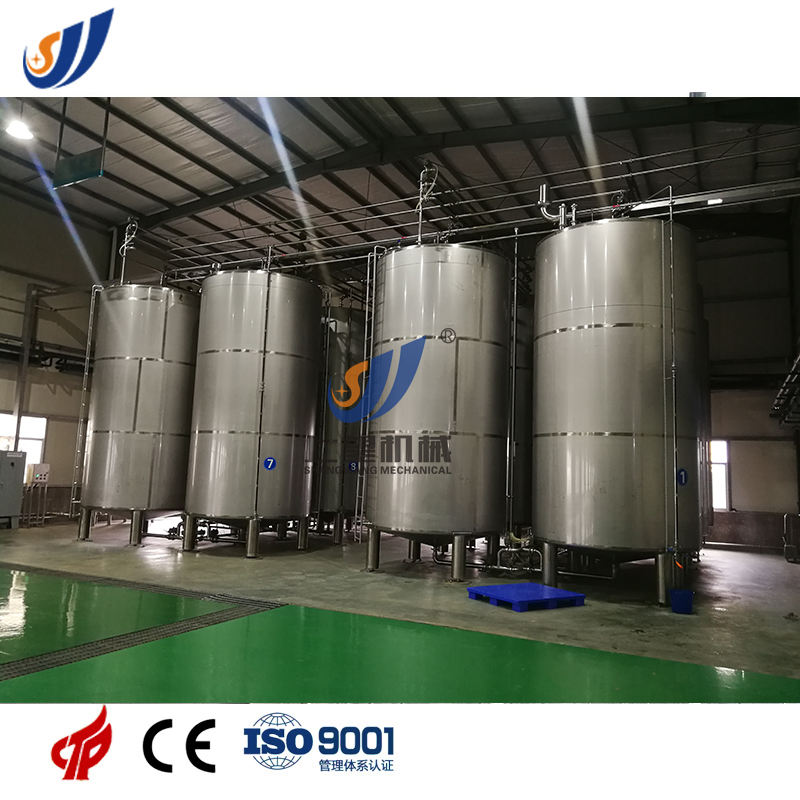
The Complete Liquid Syrup Processing Line with Blending System available through MEGA BDM at $105,000 represents exactly this turnkey approach — a complete, integrated production system for pharmaceutical, food, and beverage syrup manufacturing, delivered as a single package from a verified global supplier.
Understanding Liquid Syrup Processing: The Core Unit Operations
A complete liquid syrup processing line integrates multiple unit operations into a continuous or batch production process. Understanding each operation helps evaluate what a complete line must include.
Raw Material Handling and Preparation
Sugar dissolution: Most syrups begin with sugar (sucrose, glucose, fructose) as the primary ingredient. Sugar must be dissolved in purified water to create a sugar syrup base:
- Hot dissolution: Sugar dissolved in hot water (70–80°C) for faster dissolution and microbial reduction
- Cold dissolution: Sugar dissolved at ambient temperature for heat-sensitive formulations
- Dissolution tank: Jacketed stainless steel tank with agitator and heating/cooling capability
- Filtration: Sugar syrup filtered to remove undissolved particles and impurities
Water purification: Pharmaceutical and food-grade syrups require purified water:
- Purified Water (PW): For pharmaceutical syrups — produced by reverse osmosis (RO) + deionization or distillation
- Potable water: For food-grade syrups — municipal water meeting local food safety standards
- Water for Injection (WFI): For injectable preparations — highest purity standard
Active ingredient preparation:
- Pharmaceutical APIs (Active Pharmaceutical Ingredients) dissolved or suspended in appropriate solvents
- Flavor concentrates and extracts measured and prepared
- Preservatives, colorants, and excipients weighed and dissolved
Blending and Mixing
The blending system is the heart of the syrup processing line — where all ingredients are combined to produce the finished formulation:
Blending tank specifications:
- Material: 316L stainless steel (pharmaceutical grade) or 304 stainless steel (food grade)
- Surface finish: Ra ≤ 0.4 μm (pharmaceutical) or Ra ≤ 0.8 μm (food grade) — smooth surfaces prevent microbial adhesion
- Jacket: Heating/cooling jacket for temperature control during blending
- Agitator: Anchor, paddle, or high-shear agitator depending on product viscosity
- Capacity: 500L to 10,000L+ depending on production requirements
Blending process:
- Charge purified water to blending tank
- Add sugar syrup base (from dissolution tank)
- Add active ingredients, flavors, preservatives, and excipients in specified order
- Mix to homogeneity at controlled temperature and speed
- Adjust pH if required
- Sample for in-process quality control testing
- Adjust formulation if required
- Transfer to holding tank for filtration and filling
Recipe management:
- PLC-based recipe system stores formulation parameters (ingredient quantities, mixing time, temperature, speed)
- Automated dosing of liquid ingredients via flow meters or load cells
- Batch record generation for regulatory compliance (GMP requirement)
- Recipe lock-out prevents unauthorized modification
Filtration
Filtration removes particulates, undissolved material, and microbial contaminants from the blended syrup:
Depth filtration:
- Cartridge filters (1–10 μm) for bulk particulate removal
- Bag filters for high-flow applications
- Removes visible particles and large contaminants
Membrane filtration:
- Microfiltration (0.2–0.45 μm) for bioburden reduction
- Ultrafiltration for macromolecule removal
- Sterile filtration (0.2 μm) for aseptic pharmaceutical products
Filter housing:
- Sanitary stainless steel housing with tri-clamp connections
- Validation ports for integrity testing
- CIP-compatible design
Holding and Buffer Tanks
Between process steps, syrup is held in buffer tanks:
- Maintains continuous production flow between batch blending and continuous filling
- Temperature-controlled to maintain product stability
- Agitated to prevent settling of suspended ingredients
- Level sensors for inventory management
Filling and Packaging
The filling system meters the finished syrup into primary packaging:
Filling technologies for liquid syrups:
Volumetric piston filling:
- Piston displaces a fixed volume of liquid per stroke
- Accuracy: ±0.5–1.0% of fill volume
- Suitable for: Thin to medium viscosity syrups
- Speed: 20–120 bottles/minute
Peristaltic pump filling:
- Peristaltic pump meters liquid by tube compression
- Accuracy: ±0.5–1.0%
- Suitable for: Shear-sensitive products, sterile applications
- Speed: 10–60 bottles/minute
Overflow filling:
- Liquid fills to a fixed level in the container
- Consistent fill level appearance regardless of container volume variation
- Suitable for: Thin syrups in transparent containers
- Speed: 20–100 bottles/minute
Packaging formats:
- Glass bottles (pharmaceutical syrups): 60mL, 100mL, 120mL, 200mL
- PET bottles (food and beverage syrups): 250mL, 500mL, 1L, 2L
- Sachets and pouches (single-dose pharmaceutical): 5mL, 10mL, 15mL
- Bulk containers (food ingredient syrups): 5L, 20L, 200L drums
CIP (Clean-in-Place) System
The CIP system cleans and sanitizes the processing equipment without disassembly — a critical requirement for pharmaceutical and food-grade production:
CIP sequence:
- Pre-rinse: Purified water flush to remove bulk product residue
- Caustic wash: Hot NaOH solution (1–2%, 70–80°C) for organic soil removal
- Intermediate rinse: Purified water flush to remove caustic
- Acid wash: Citric or phosphoric acid solution for mineral deposit removal
- Final rinse: Purified water flush to remove acid
- Sanitization: Hot water (80°C+) or chemical sanitizer (peracetic acid, hydrogen peroxide)
CIP system components:
- CIP skid with caustic and acid tanks, heating system, and circulation pump
- CIP supply and return piping to all process equipment
- Spray balls in tanks for internal cleaning
- Conductivity sensors to verify cleaning effectiveness
- Automated CIP control with sequence programming
CIP validation: For pharmaceutical applications, CIP effectiveness must be validated — demonstrating that the cleaning process consistently removes product residue to below acceptable limits. The CIP system design must support validation with appropriate sampling points and documentation.
The Turnkey Advantage: Why Single-Source Matters
The Multi-Vendor Alternative — and Its Problems
Many manufacturers attempt to build a syrup processing line by sourcing individual equipment from multiple vendors:
- Mixing tanks from one supplier
- Pumps from another
- Filters from a third
- Filling machine from a fourth
- CIP system from a fifth
- Control system integration from a systems integrator
The problems with this approach:
Integration complexity: Each vendor designs their equipment independently. Connecting them into a coherent process requires significant engineering effort — piping design, electrical integration, control system programming, and process validation.
Responsibility gaps: When problems occur (and they always do during commissioning), each vendor blames the others. The buyer is left managing disputes between suppliers while production is delayed.
Extended timeline: Coordinating delivery, installation, and commissioning of equipment from multiple vendors extends the project timeline by months compared to a single-source turnkey supply.
Higher total cost: The apparent savings from sourcing individual components are often offset by integration engineering costs, extended commissioning time, and the cost of resolving compatibility issues.
Validation complexity: For pharmaceutical applications, each piece of equipment must be qualified (IQ/OQ/PQ). A turnkey supplier can provide a coordinated validation package; multi-vendor sourcing requires separate validation for each piece of equipment.
The Turnkey Solution — What It Delivers
A complete turnkey liquid syrup processing line from a single supplier delivers:
Single point of responsibility: One supplier is responsible for the entire system — design, fabrication, installation, commissioning, and performance. No responsibility gaps, no inter-vendor disputes.
Integrated design: All equipment is designed to work together — pipe sizes match, flow rates are balanced, control systems are integrated, and CIP circuits cover the entire line.
Faster time-to-production: A single supplier coordinates all activities — fabrication, delivery, installation, and commissioning — on a single project timeline. Typical turnkey delivery: 4–8 months from order to production.
Coordinated validation support: For pharmaceutical applications, the turnkey supplier provides a coordinated validation package (DQ, IQ, OQ documentation) covering the entire line.
Operator training: The supplier trains operators on the complete system — not just individual pieces of equipment.
Warranty coverage: A single warranty covers the entire system — no disputes about which component caused a failure.
Pharmaceutical Syrup Manufacturing: GMP Requirements
For pharmaceutical syrup manufacturers, the processing line must comply with Good Manufacturing Practice (GMP) regulations — the international standards that govern pharmaceutical manufacturing quality.
Key GMP Requirements for Liquid Syrup Lines
Material of construction:
- All product-contact surfaces: 316L stainless steel (minimum)
- Surface finish: Ra ≤ 0.4 μm (electropolished for highest-grade applications)
- No dead legs in piping (areas where product can stagnate and contaminate)
- Tri-clamp connections for easy disassembly and inspection
Equipment qualification:
- DQ (Design Qualification): Documented evidence that the equipment design meets user requirements
- IQ (Installation Qualification): Documented evidence that equipment is installed correctly
- OQ (Operational Qualification): Documented evidence that equipment operates within specified parameters
- PQ (Performance Qualification): Documented evidence that equipment consistently produces product meeting specifications
Process validation:
- Demonstration that the blending process consistently produces homogeneous product
- Validation of CIP effectiveness (cleaning validation)
- Validation of filtration effectiveness (filter validation)
- Validation of filling accuracy (fill weight/volume validation)
Documentation and batch records:
- Electronic batch records (EBR) or paper batch records for every production batch
- Recipe management with version control and audit trail
- Deviation management and CAPA (Corrective and Preventive Action) system
Environmental controls:
- Classified manufacturing areas (ISO 8 / Grade D minimum for non-sterile liquid pharmaceuticals)
- HVAC system with appropriate air changes, temperature, and humidity control
- Personnel and material flow controls to prevent cross-contamination
Regulatory Markets and Standards
WHO GMP: International standard — required for export to developing markets and WHO prequalification EU GMP (EudraLex Volume 4): Required for EU market access US FDA cGMP (21 CFR Parts 210/211): Required for US market access China NMPA GMP: Required for China market access India Schedule M: Required for India market access
Confirm which regulatory standards apply to your target markets with the supplier — the line design must support compliance with the applicable standards.
Food & Beverage Syrup Manufacturing: Market Applications
Flavored Beverage Syrups
The global flavored syrup market for coffee shops, bubble tea, cocktail bars, and food service is one of the fastest-growing segments:
Coffee shop syrups:
- Vanilla, caramel, hazelnut, lavender, and seasonal flavors
- Packaging: 750mL and 1L glass or PET bottles
- Market: Specialty coffee chains, independent cafés, home baristas
- Global market: $2+ billion annually
Bubble tea syrups and concentrates:
- Fruit syrups, taro, matcha, brown sugar, and specialty flavors
- Packaging: 2.5kg and 5kg containers for commercial use
- Market: Bubble tea chains (Asia, US, Europe) — fastest growing beverage category
Cocktail and mocktail syrups:
- Simple syrup, grenadine, orgeat, elderflower, and specialty cocktail syrups
- Packaging: 750mL bottles for bar use
- Market: Bars, restaurants, home mixologists
Pharmaceutical and Nutraceutical Syrups
OTC pharmaceutical syrups:
- Cough and cold syrups (dextromethorphan, guaifenesin, antihistamines)
- Antacid suspensions (aluminum hydroxide, magnesium hydroxide)
- Vitamin and mineral syrups (multivitamin, iron, calcium)
- Pediatric formulations (antibiotics, antipyretics in syrup form)
Nutraceutical liquid supplements:
- Collagen liquid supplements
- Omega-3 and fish oil emulsions
- Probiotic liquid formulations
- Herbal extract syrups (elderberry, echinacea, ashwagandha)
- Sports nutrition liquid products (amino acids, electrolytes)
Traditional medicine:
- Ayurvedic liquid formulations (India)
- Traditional Chinese Medicine (TCM) liquid extracts
- Herbal syrup formulations for Southeast Asian markets
Food Ingredient Syrups
Sweetener syrups:
- High-fructose corn syrup (HFCS) for food manufacturing
- Glucose syrup for confectionery and bakery
- Invert sugar syrup for beverages and confectionery
- Agave syrup, maple syrup, and honey processing
Flavor concentrates:
- Fruit flavor concentrates for beverage manufacturing
- Vanilla extract and flavor concentrates
- Savory flavor concentrates for food manufacturing
Market Opportunity: Syrup Manufacturing Economics
Investment: $105,000 (Complete Turnkey Line)
Revenue Potential by Application
Pharmaceutical syrup (cough syrup example):
- Production capacity: 5,000 bottles/day (100mL bottles)
- Selling price: $2.50–$5.00/bottle (generic pharmaceutical)
- Daily revenue: $12,500–$25,000
- Annual revenue (300 days): $3,750,000–$7,500,000
- Manufacturing cost (ingredients + labor + overhead): $0.80–$1.50/bottle
- Annual gross profit: $2,100,000–$4,500,000
- Payback on $105,000 line: 1–2 weeks
Beverage syrup (coffee shop syrup example):
- Production capacity: 2,000 bottles/day (750mL bottles)
- Selling price: $8–$15/bottle
- Daily revenue: $16,000–$30,000
- Annual revenue (300 days): $4,800,000–$9,000,000
- Manufacturing cost: $2–$4/bottle
- Annual gross profit: $3,600,000–$6,600,000
- Payback on $105,000 line: less than 2 weeks
Nutraceutical liquid supplement:
- Production capacity: 3,000 bottles/day (500mL bottles)
- Selling price: $15–$35/bottle (branded nutraceutical)
- Daily revenue: $45,000–$105,000
- Annual revenue: $13,500,000–$31,500,000
- Manufacturing cost: $3–$8/bottle
- Annual gross profit: $9,000,000–$27,000,000
- Payback on $105,000 line: less than 1 week
Regional Market Opportunities
Southeast Asia (Cambodia, Vietnam, Thailand, Indonesia, Philippines):
- Rapidly growing pharmaceutical manufacturing sector
- Government incentives for domestic pharmaceutical production
- Growing middle class driving nutraceutical and premium beverage demand
- Lower labor costs than China — competitive export manufacturing base
South Asia (India, Bangladesh, Pakistan):
- India is the world’s largest generic pharmaceutical exporter
- Massive domestic pharmaceutical syrup market
- Growing nutraceutical and health supplement market
- WHO GMP certification enables global export
Africa (Nigeria, Kenya, Ethiopia, Ghana):
- Significant import substitution opportunity — most pharmaceutical syrups currently imported
- Government policies promoting domestic pharmaceutical manufacturing
- Growing middle class driving beverage and nutraceutical demand
- WHO GMP certification enables regional export
Middle East:
- High per-capita pharmaceutical consumption
- Growing nutraceutical and health supplement market
- Re-export hub for Africa and South Asia
Complete Line Components: What’s Included
A complete turnkey liquid syrup processing line at $105,000 typically includes:
Process equipment:
- Water purification system (RO + UV or distillation)
- Sugar dissolution tank with agitator and heating
- Main blending tank(s) with jacket, agitator, and instrumentation
- Holding/buffer tank(s)
- Transfer pumps (centrifugal and peristaltic)
- Filtration system (depth + membrane)
- CIP skid with caustic, acid, and rinse tanks
Filling and packaging:
- Automatic liquid filling machine (volumetric or peristaltic)
- Capping machine (screw cap or crimp cap)
- Labeling machine (self-adhesive or sleeve)
- Batch coding (inkjet or laser)
Control system:
- PLC-based process control
- HMI touchscreen with recipe management
- Batch record generation
- Alarm management and data logging
Utilities:
- Compressed air system
- Steam or hot water generator (for heating)
- Chilled water system (for cooling)
Documentation:
- P&ID (Piping and Instrumentation Diagram)
- Equipment manuals and spare parts list
- Validation documentation package (DQ/IQ/OQ)
- Operator training
Confirm the exact scope of supply with the supplier — what is included in the $105,000 price and what is excluded (utilities, building, installation labor, etc.).
Featured Product: Complete Liquid Syrup Processing Line on MEGA BDM
MEGA BDM has sourced and verified the Complete Liquid Syrup Processing Line with Blending System — Turnkey Solution from a verified global food and pharmaceutical processing equipment manufacturer with proven turnkey line design, fabrication, installation, and commissioning experience across pharmaceutical, food, and beverage applications internationally.
👉 View the Complete Liquid Syrup Processing Line on MEGA BDM
Frequently Asked Questions
What production capacity does this line support?
Confirm the production capacity (L/hour or bottles/hour) with the supplier for your specific product and packaging format. Turnkey lines are typically configurable across a range of capacities — provide your required output for an accurate specification.
Is the line GMP-compliant for pharmaceutical manufacturing?
Confirm GMP compliance and the specific regulatory standards supported (WHO GMP, EU GMP, US FDA cGMP) with the supplier. Request documentation of GMP design features and available validation support packages.
What products can be processed on this line?
The line is designed for liquid syrups across pharmaceutical, food, and beverage applications. Confirm compatibility with your specific product formulation — viscosity, pH, temperature sensitivity, and any special handling requirements — with the supplier.
What utilities are required?
Confirm utility requirements (electricity, steam or hot water, chilled water, compressed air, purified water) with the supplier. These are typically not included in the line price and must be provided by the buyer.
What is the installation and commissioning timeline?
Confirm the complete project timeline — from order to production — with the supplier. Typical turnkey timelines are 4–8 months including fabrication, factory acceptance testing (FAT), shipping, installation, and site acceptance testing (SAT).
What after-sales support and spare parts are available?
Confirm the supplier’s after-sales support network, spare parts availability, and response time commitments. Request a recommended spare parts list and confirm availability in your region.
Conclusion
The Complete Liquid Syrup Processing Line with Blending System delivers what every syrup manufacturer ultimately needs: a complete, integrated, validated production system that produces consistent, high-quality liquid products — batch after batch, day after day — without the complexity, delays, and responsibility gaps of multi-vendor line assembly.
At $105,000 for a complete turnkey solution — with revenue potential of $3,750,000–$31,500,000 annually depending on product and market — this line represents one of the most compelling capital investments available in food, pharmaceutical, and nutraceutical manufacturing. With payback periods measured in days to weeks rather than months or years, the economics of liquid syrup manufacturing are among the most attractive in the food and pharmaceutical processing industry.
👉 View the full product details on MEGA BDM